NEWS
Ghana First: Ibrahim Mahama’s Damang Gold Mine Fuels National Reserves with Historic First Sale”

For decades, the story of African gold followed a predictable, often frustrating path: mined on our soil, owned by foreign entities, and shipped immediately overseas. But the tide is turning.

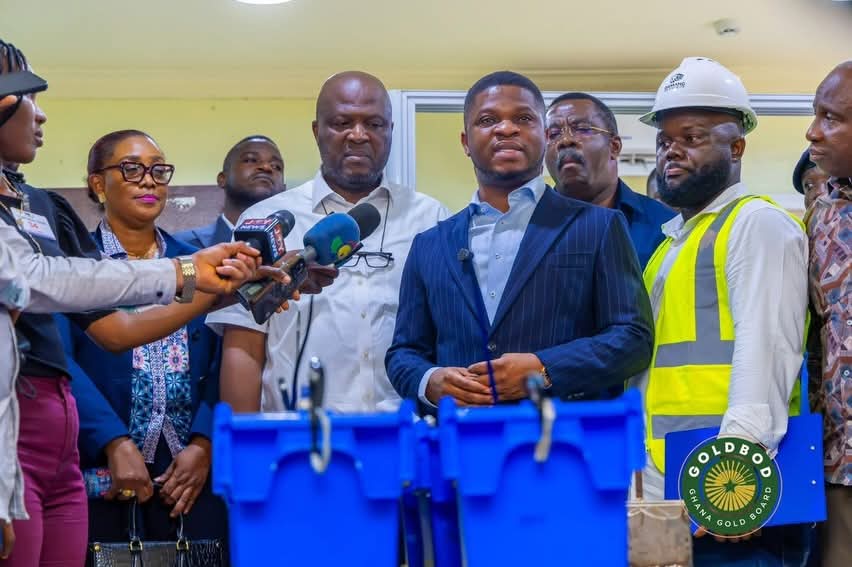
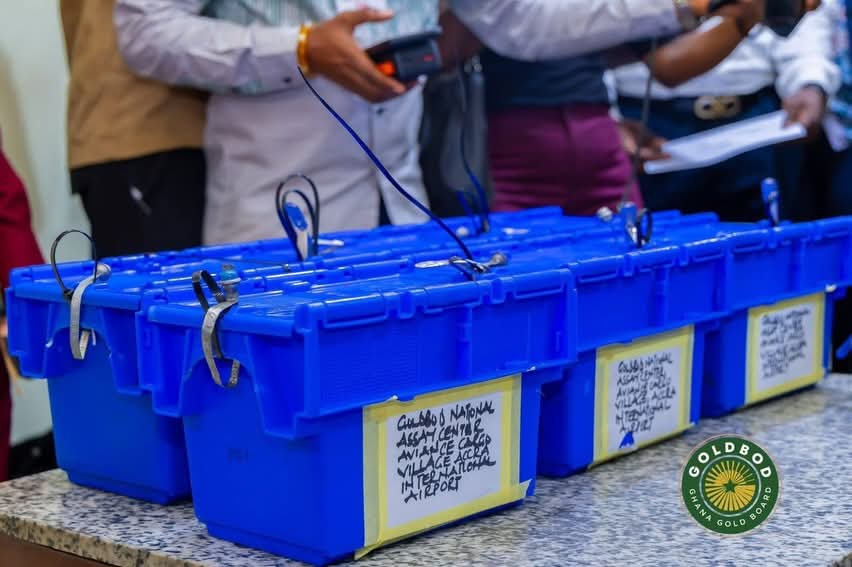
The recent announcement that Ibrahim Mahama’s Damang Gold Mine Ltd. has sold 100% of its first gold output to GoldBod and the Bank of Ghana isn’t just a business transaction—it is a landmark moment for Ghanaian economic sovereignty.
Keeping the Wealth at Home
In a bold move that prioritizes national interests, the entirety of the mine’s inaugural harvest has stayed within our borders. By partnering with the Precious Minerals Marketing Company (GoldBod) and the Bank of Ghana (BoG), Damang Gold Mine is proving that local industry can—and should—be the primary engine for national growth.This isn’t just about selling gold; it’s about where that gold goes. When our mineral wealth is funneled directly into the central bank, it strengthens our national reserves and provides a much-needed backbone for the Cedi.
Why This Matters for Every Ghanaian
You might wonder how a gold sale affects the average person in Accra, Kumasi, or Tamale. The implications are massive:
Currency Stability: When the Bank of Ghana increases its gold domestic purchase, it builds a “safety net” that helps stabilize the economy against global shocks.
Proof of Concept: This proves that Ghanaian-led companies have the capacity, the technology, and the vision to manage large-scale extractive resources at the highest level.
The “Homegrown” Multiplier: Every ounce of gold sold locally ensures that the financial benefits circulate within the Ghanaian ecosystem, supporting local jobs and infrastructure rather than disappearing into foreign portfolios.
A New Standard for Leadership
Ibrahim Mahama’s decision sets a high bar for the “Ghana Beyond Aid” agenda. It moves us away from being mere spectators of our own resources to being the primary architects of our wealth. By choosing to sell 100% of the first output to local institutions, the message is clear: Ghanaian resources belong to the Ghanaian people.
The Takeaway: We are witnessing the birth of a new gold standard—one where “Grown in Ghana” also means “Sold in Ghana” and “Stored in Ghana.” This is how you build a nation that doesn’t just survive, but leads.